Clay Became Another Way of Listening.
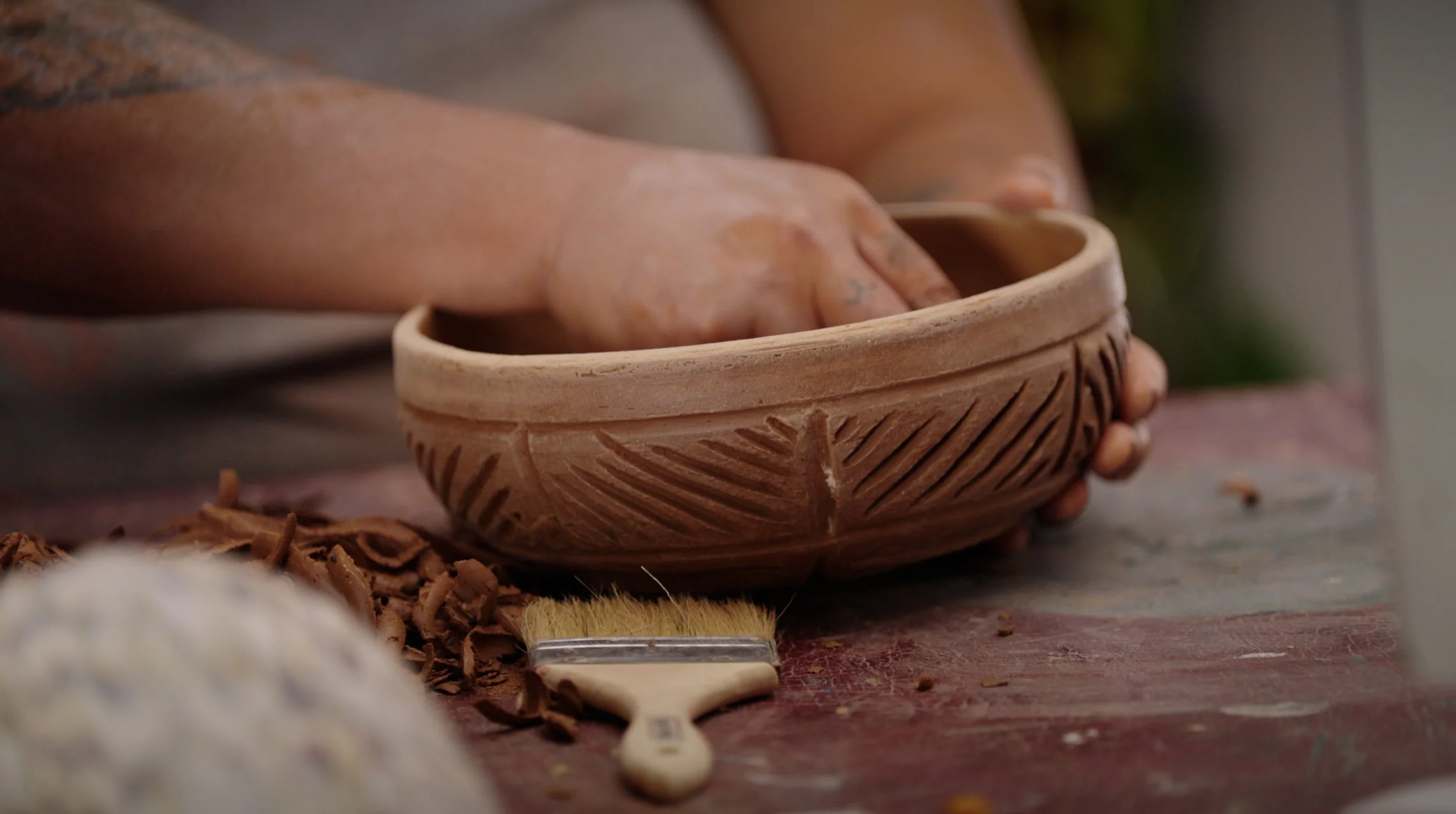
There are stories that can be spoken, stories that can be sung, and stories that can only be understood through making.
For more than two decades music was my primary creative language. Ceramics did not replace songwriting—it expanded it.
Clay became another way of listening: to memory, to material and to the histories carried through touch.
My practice now moves between installation, sound and ceramics, exploring how making can become an act of remembrance and continuation.
Songs Were My First Vessels.
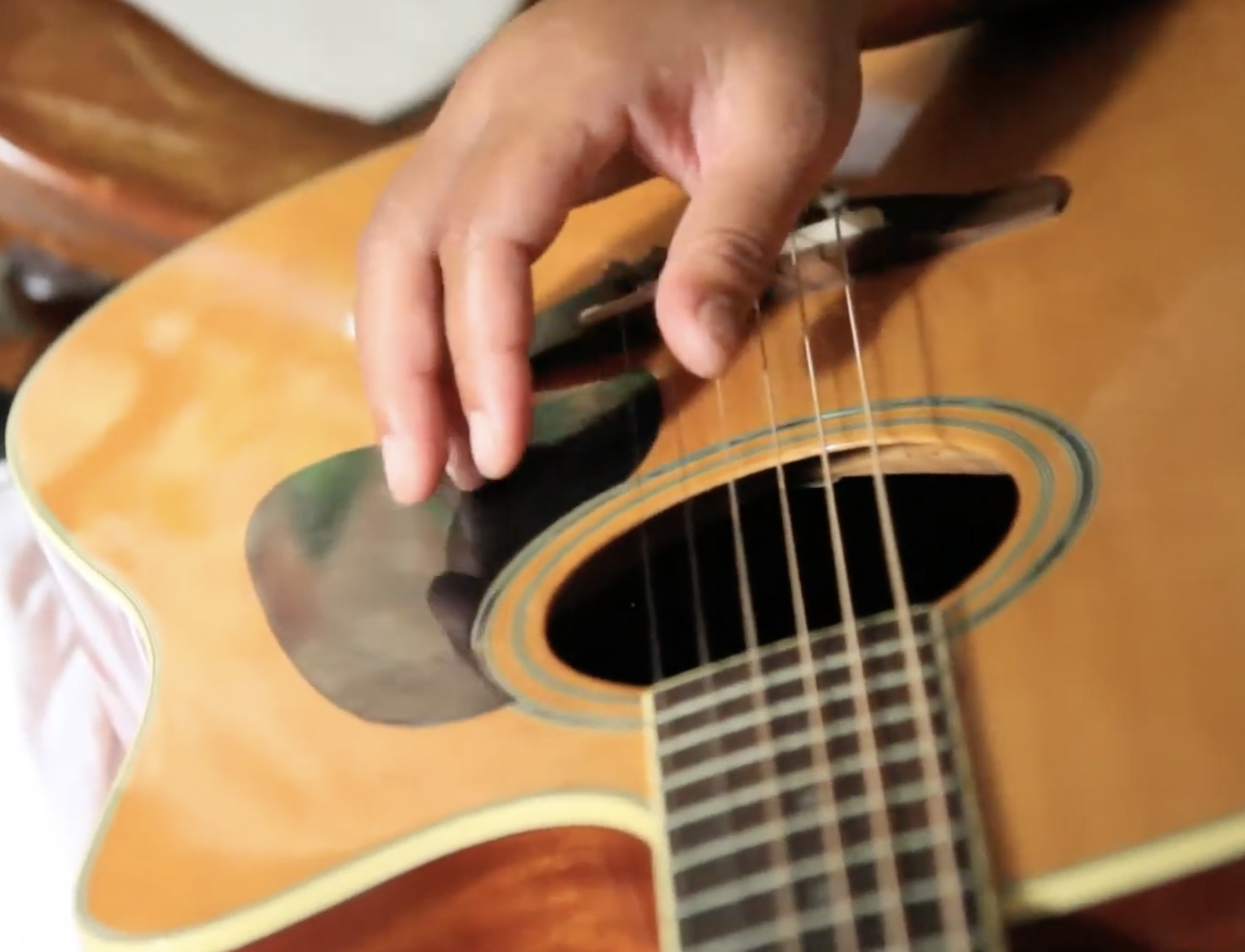
Before I understood clay as a vessel, I understood songs that way.
For more than two decades I carried stories through melody and rhythm, discovering that music has the power to hold memory, connect people and travel across generations. Every performance reminded me that stories are never fixed—they shift, grow and gather new meanings as they move from one person to another.
Working with clay felt unexpectedly familiar. I realised I had not changed practices so much as changed materials. My work continues to ask the same questions: How do we remember? What do we carry? What remains after we have gone?
Today, songs and ceramics exist side by side in my practice, each offering a different language for exploring memory, belonging and continuation.
Making
Is
An Act
of
Continuation.
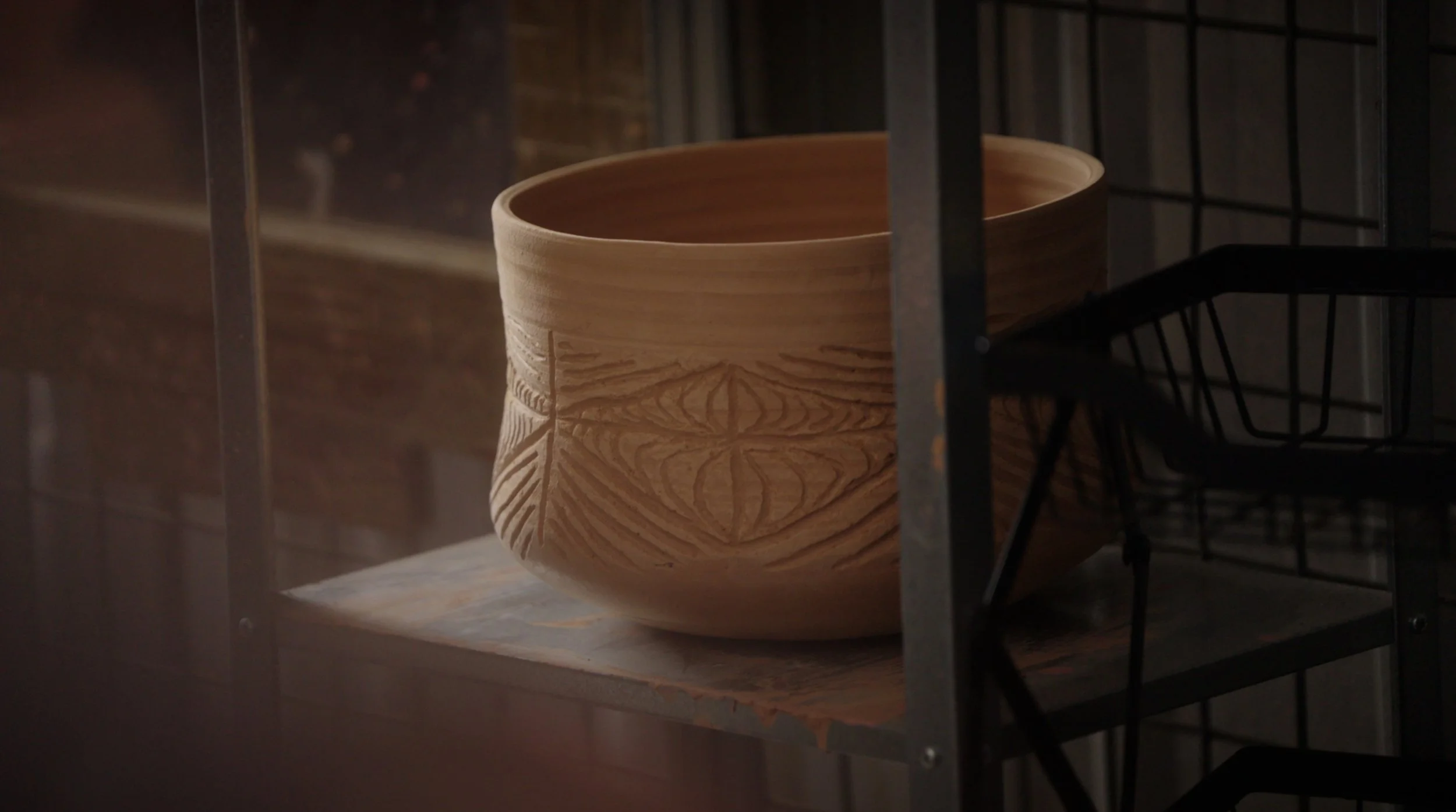
Growing up between Tonga and Brisbane has shaped the way I understand culture—not as something fixed in the past, but as something that is continually made through memory, relationship and everyday acts of care.
My recent work draws inspiration from Lapita ceramic traditions as a way of thinking about movement, migration and connection across Oceania. Rather than recreating historical forms, I am interested in what these objects reveal about the lives they once held: the journeys they witnessed, the knowledge they carried and the communities they helped sustain.
Through ceramics, installation, sound and storytelling, I explore how making becomes an act of continuation. Each work asks how cultural knowledge survives—not through preservation alone, but through adaptation, exchange and the ongoing relationships we build with place, family and one another.
For me, clay is not simply a material. It is a conversation with those who came before us, and an invitation to consider what we choose to carry into the future.
Learning
Happens
In
Relationship.
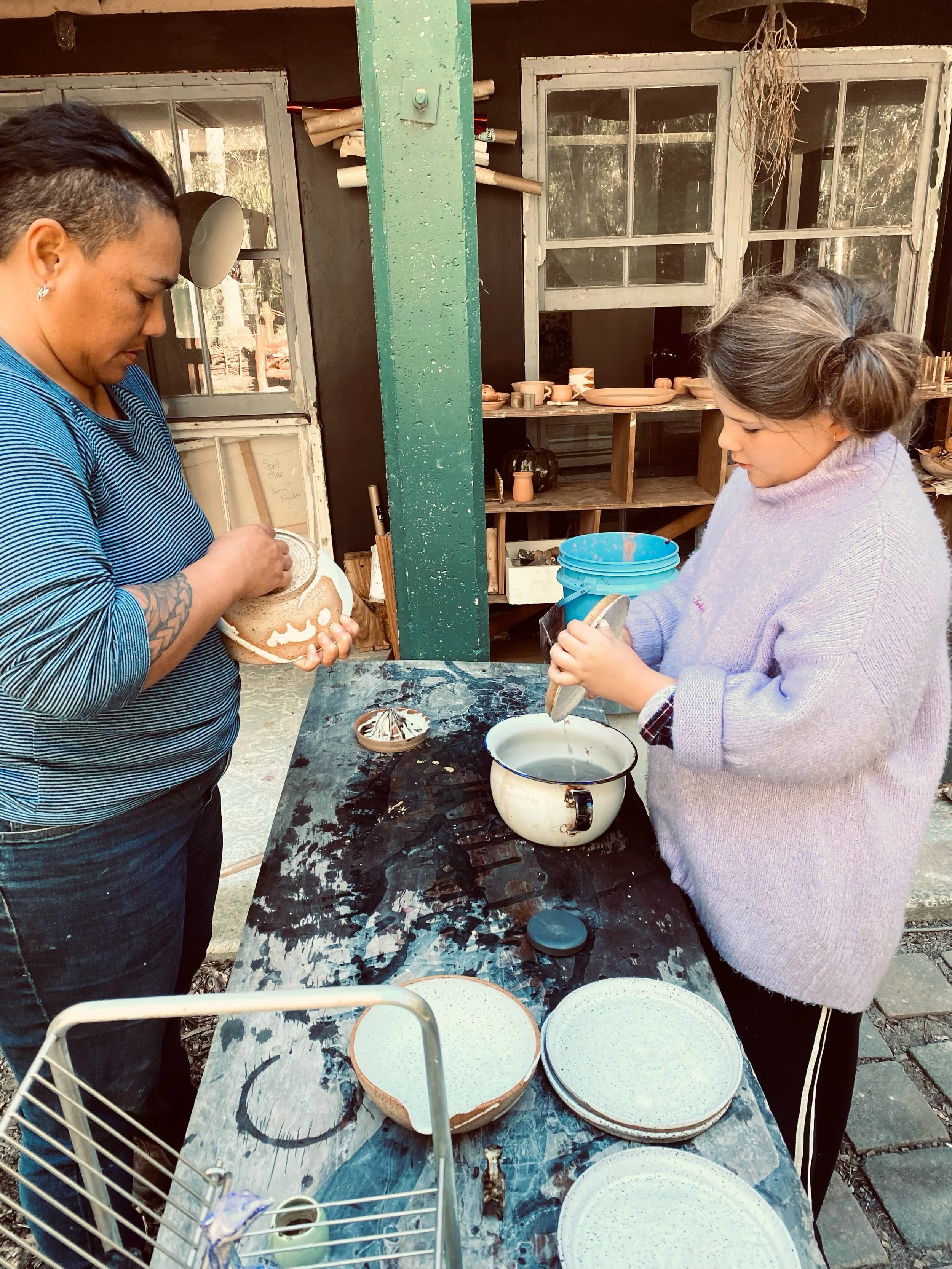
Alongside my studio practice, I work within alternative education, supporting young people to discover confidence, agency and creative voice through making.
Teaching continually reminds me that creativity is rarely an individual pursuit. It grows through trust, conversation and the willingness to make alongside one another.
Whether in a classroom, a community workshop or a gallery, I am interested in creating spaces where people feel able to experiment, take risks and reconnect with their own capacity to create.
This reciprocal relationship between community practice and studio practice continues to shape the way I think, teach and make. The lessons move in both directions. The generosity, resilience and imagination I witness in young people continually influence my own work as an artist.
Current
Project
Fakahokohoko // Continuation
Fakahokohoko explores migration, memory and the knowledge carried through material culture. Inspired by Lapita ceramic traditions and Tongan ways of knowing, the work brings together hand-built ceramics, installation, sound and moving image to consider how stories continue across generations.
Rather than recreating the past, the project asks how contemporary making can remain in conversation with ancestral knowledge—holding space for memory, transformation and belonging.
Fakahokohoko // Continuation
Fakahokohoko explores migration, memory and the knowledge carried through material culture. Inspired by Lapita ceramic traditions and Tongan ways of knowing, the work brings together ceramics, installation, sound and moving image to consider how stories continue across generations.
Rather than recreating the past, the project asks how contemporary making can remain in conversation with ancestral knowledge—holding space for memory, transformation and belonging.